

Modern construction frequently requires new components to be connected to existing concrete. Structural extensions, equipment installations, steel connections, handrails, façade supports, and reinforcement additions are common examples. In many such applications, Chemical Fixing Injection Mortars provide a method for creating anchored connections within concrete or masonry.
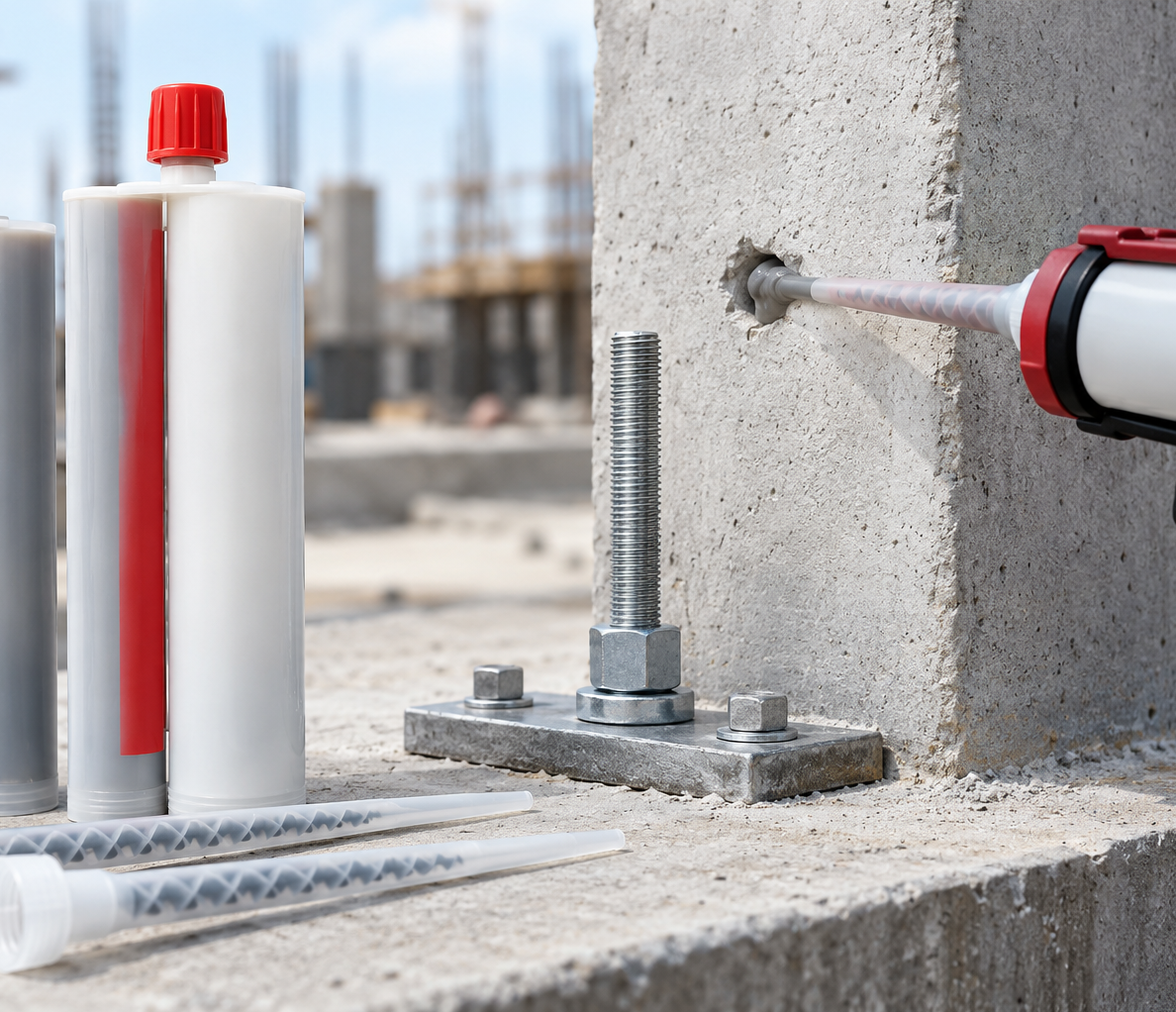
Unlike a conventional mechanical fastener that primarily relies on expansion, chemical anchoring uses a resin-based material to bond an anchor rod or reinforcing bar to the prepared hole.
Understanding the installation process is important because anchor performance depends on much more than simply injecting material into concrete.
How Chemical Fixing Works
A hole is drilled into the base material according to the required diameter and embedment depth. The drilled hole is then thoroughly cleaned before the injection mortar is introduced.
The anchor rod, threaded bar, or reinforcement is inserted into the chemical mortar while the material is workable. Once the specified curing period has passed, the installed fixing can be prepared for its intended load.
A typical sequence includes:
- Confirming the base material
- Determining the required anchor position
- Drilling to the specified diameter and depth
- Cleaning dust and debris from the hole
- Injecting the appropriate fixing mortar
- Inserting the anchor or reinforcement
- Allowing the required curing time
- Applying the connection or load as specified
Each stage influences the quality of the finished installation.
Why Hole Cleaning Is Critical
Drilling creates concrete dust inside the hole. If this material remains between the resin and the concrete surface, it can interfere with proper bonding.
Professional installation therefore follows the cleaning procedure specified for the anchoring system. Depending on the system, this can involve blowing, brushing, and repeating the process before injection.
Skipping this stage simply to save installation time can compromise the fixing.
Common Applications
Chemical anchors have applications across commercial buildings, industrial facilities, infrastructure projects, and structural modification work.
They may be considered for:
- Post-installed reinforcement
- Structural steel connections
- Machinery supports
- Handrails and barriers
- Equipment mounting
- Façade support systems
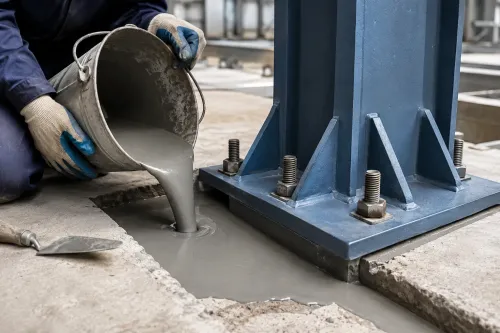
- Base plates
- Structural extensions
- Retrofit projects
- Services and utility supports
The appropriate system depends on the design load, base material, anchor diameter, embedment depth, environmental conditions, spacing, edge distance, and other engineering considerations.
Existing Concrete Needs Evaluation
Post-installed anchors are frequently required in rehabilitation and alteration projects where existing concrete conditions may vary considerably.
Before drilling, the site team should understand the condition of the concrete and the location of existing reinforcement. Random drilling can damage reinforcement or create conflicts with embedded services.
Where necessary, reinforcement detection and careful drilling planning should form part of the installation process.
Nagpur Construction Applications
Nagpur continues to see residential, commercial, industrial, and infrastructure-related construction activity. Many projects involve additions, retrofits, equipment installation, strengthening, or modifications to existing structures.
Chemical anchoring can support these requirements when the system is properly engineered and installed.
Civitech Services Pvt Ltd handles civil engineering and construction chemical applications in Nagpur, including requirements involving chemical anchoring and structural rehabilitation. For contractors and project teams, the key is to treat chemical fixing as an engineered connection rather than a general-purpose adhesive application.
Correct product selection, hole preparation, installation technique, curing, and compliance with the project specification together determine whether the fixing is suitable for its intended purpose.