

A cordless drill may be one of the most frequently used tools on a construction or maintenance site. Drilling, fastening, assembling, installing fixtures, and carrying out minor repair work can all depend on it. Yet buying a tool simply because it has a high voltage rating or familiar brand name does not guarantee that it matches the job.
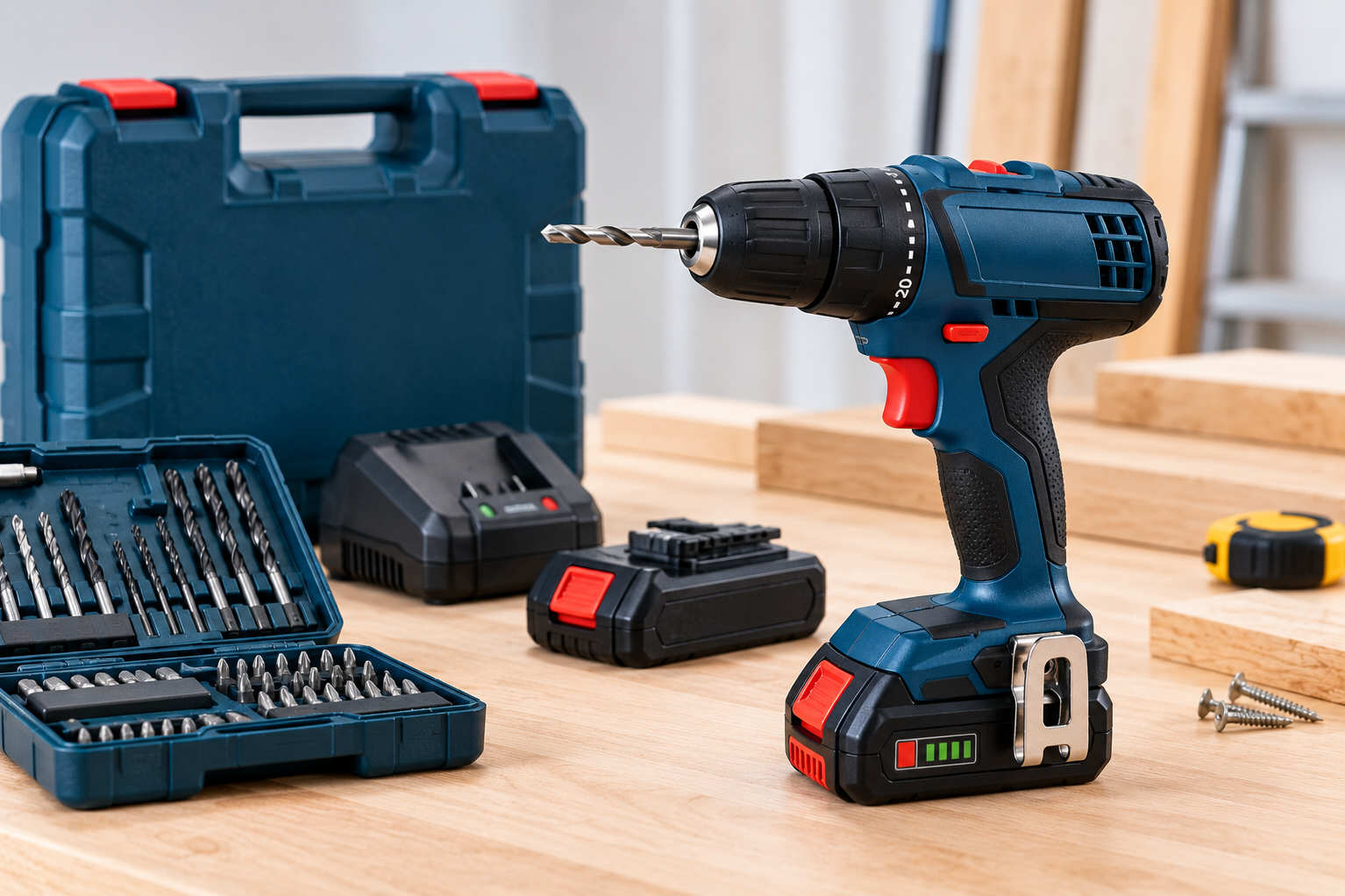
For contractors and maintenance teams considering a Bosch Cordless Drill in Nagpur, selection should be based on application, battery platform, drilling requirement, ergonomics, and expected daily use.
First Identify What You Will Drill
Different materials require different levels of performance.
A cordless drill may be used for wood, metal, boards, fixtures, light masonry, or other construction materials depending on the model and accessories.
Before buying, determine the dominant application.
A tool used mainly for fastening screws has different requirements from equipment expected to drill repeatedly into masonry or metal.
Drill, Driver or Hammer Function?
The terminology can become confusing when several models appear similar.
A drill-driver generally combines drilling and screw-driving functions. Some cordless tools also include a hammer function for suitable masonry applications.
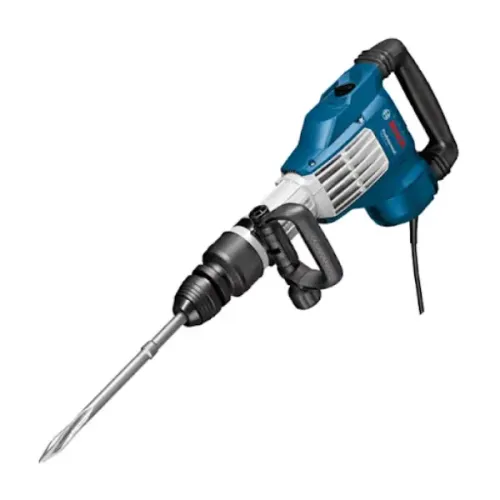
For heavier concrete drilling, however, contractors may require a dedicated rotary hammer rather than relying on a general-purpose cordless drill.
Matching the tool type to the material reduces unnecessary stress on the equipment and can improve productivity.
Battery Platform Matters
For professional users, the battery system can influence the long-term value of the purchase.
Teams already operating compatible cordless tools may benefit from selecting equipment within the same battery ecosystem where applicable. This can simplify battery rotation and charging management.
Consider:
- Battery capacity
- Number of batteries required
- Charging time
- Compatibility with other tools
- Expected operating duration
- Availability of suitable chargers
A powerful cordless tool offers limited productivity if the work repeatedly stops because no charged battery is available.
Torque and Speed Should Match the Task
Higher numbers are not automatically better.
Different applications benefit from different combinations of torque and rotational speed. Adjustable settings can help users control the tool according to drilling or fastening requirements.
Chuck capacity, tool weight, grip, balance, and overall dimensions also matter, especially where operators work for extended periods.
Consider the Actual Site Environment
Construction sites in Nagpur can involve dust, high temperatures, restricted work areas, outdoor conditions, and limited access to fixed power points.
Cordless equipment can provide useful mobility in these environments, but tool storage and battery care remain important.
Teams should also select suitable drill bits and accessories for the material being worked on. A capable machine fitted with the wrong bit can still produce poor results.
Avoid Buying Only on Initial Price
For professional contractors, purchase value should be considered over the working life of the tool.
Compare the expected utilization, battery requirements, accessories, service needs, and compatibility with the rest of the equipment inventory.
Civitech Services Pvt Ltd works with contractors, builders, industrial facilities, and construction teams in Nagpur across civil engineering, repair, and construction-related requirements.
When evaluating a Bosch cordless drill, start with the work rather than the catalogue specification. Material type, drilling frequency, fastening requirements, battery availability, ergonomics, and accessories together determine whether a particular model is suitable for daily professional use.