

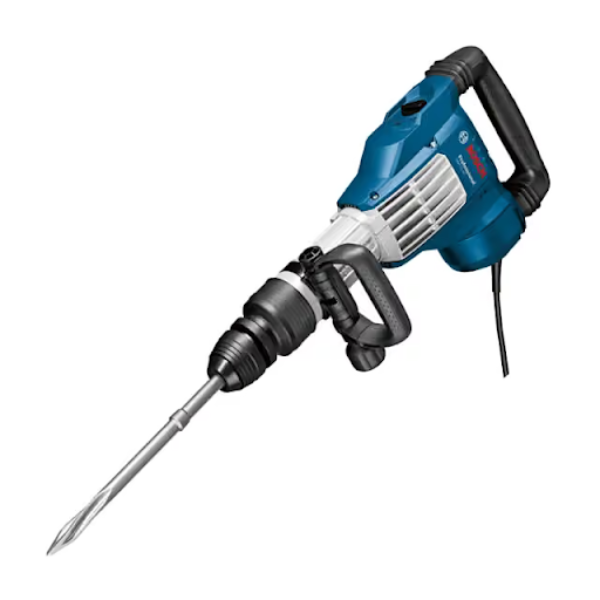
Concrete breaking can range from removing a small damaged patch to dismantling substantial masonry or reinforced concrete sections. Using equipment that is too light can slow the work considerably, while unnecessarily heavy equipment can make handling and control more difficult.
For contractors considering Bosch Demolition Hammers in Nagpur, equipment selection should begin with the actual demolition requirement rather than choosing a tool solely by motor power or size.
Start With the Material
The first question is what needs to be broken.
Concrete, masonry, screed, plaster, tiles, and other construction materials create different demands. Concrete thickness, strength, reinforcement, accessibility, and orientation also influence tool selection.
For example, removing a thin floor screed is very different from breaking a reinforced concrete member.
Consider the Working Position
A demolition hammer used primarily for downward floor breaking can be selected differently from equipment intended for horizontal wall work.
Tool weight becomes particularly important during extended horizontal or overhead use because operator fatigue can affect productivity and control.
Before selecting equipment, consider whether work will be performed on:
- Floors
- Walls
- Foundations
- Beams or structural elements
- Masonry
- Repair patches
- Restricted-access areas
This helps match equipment capability with practical handling requirements.
Demolition Is Not Always the First Option
Before using any demolition hammer, contractors should determine whether the material actually needs uncontrolled breaking.
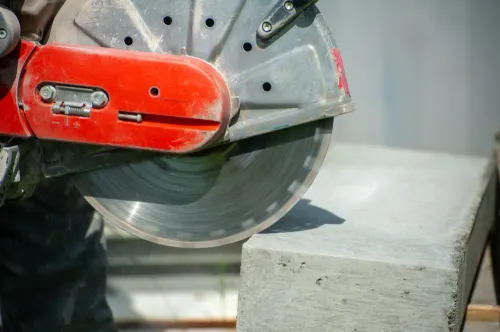
Where a precise opening is required, concrete cutting may be more appropriate. Where only deteriorated concrete needs removal during rehabilitation, controlled chipping may be preferable.
Structural members should not be demolished or modified without appropriate technical assessment.
This distinction is particularly important in existing commercial, residential, and industrial buildings in Nagpur where surrounding structural components may need to remain intact.
Look Beyond Tool Power
Performance is important, but project teams should also evaluate:
- Impact energy
- Tool weight
- Bit compatibility
- Working orientation
- Dust-management requirements
- Power availability
- Operating duration
- Access limitations
- Maintenance requirements
For repetitive professional work, ergonomics and equipment reliability can have a significant effect on actual site productivity.
Dust and Debris Need Planning
Concrete demolition generates more than broken material.
Dust, fragments, noise, and vibration must be managed according to site conditions. Work zones should be isolated where required, and appropriate protective measures should be incorporated into the method of work.
In occupied buildings or operating industrial facilities, debris movement and work timing can become important planning considerations.
Buy or Select According to Utilization
For contractors, equipment selection should also reflect frequency of use.
A tool intended for occasional repair work has a different utilization profile from one used regularly across construction sites. Accessories, replacement consumables, maintenance requirements, and compatibility with existing equipment should be considered before procurement.
Civitech Services Pvt Ltd deals with construction, rehabilitation, repair, and related civil engineering requirements in Nagpur. For demolition equipment applications, matching the hammer to material, working position, demolition volume, and required level of control is more useful than selecting the largest available machine.
The right demolition setup can improve productivity, but good results still depend on proper planning, suitable accessories, controlled operation, and a clear understanding of what should and should not be removed.