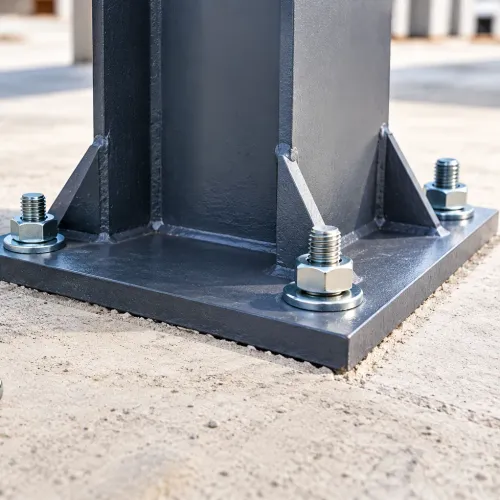


Fixing equipment, structural components, railings, supports, frames, or services to concrete requires more thought than choosing a fastener of approximately the right size. The load, concrete condition, edge distance, environment, and installation method can all influence the suitability of the fixing.
For projects requiring Anchor Fasteners in Nagpur, understanding these variables helps contractors avoid unsuitable product selection and unnecessary installation problems.
What Does an Anchor Fastener Do?
An anchor transfers loads from an attached component into a base material such as concrete or masonry.
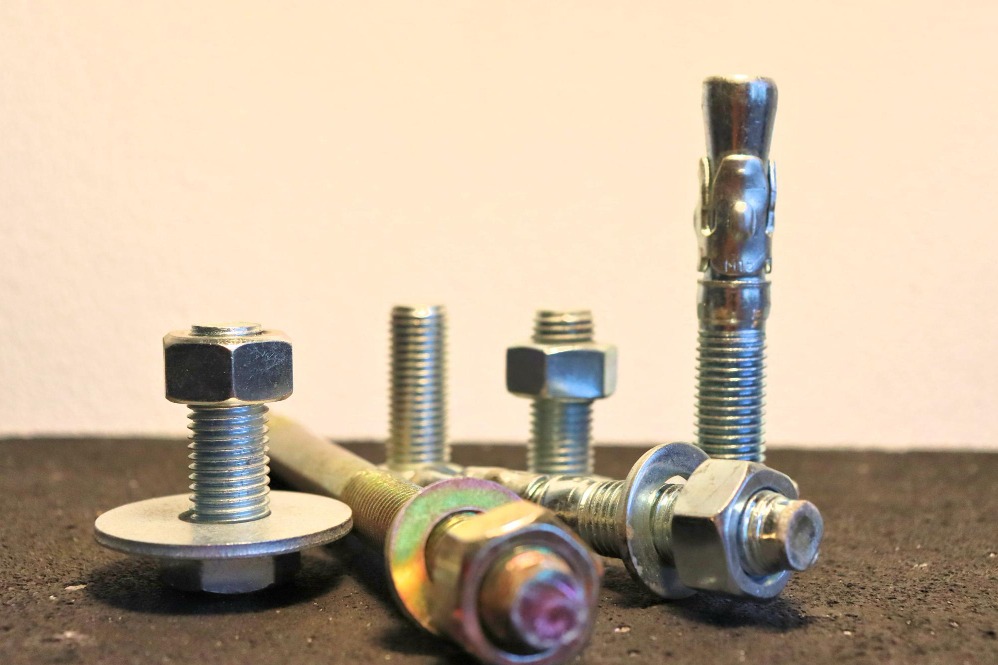
Different anchors achieve this through different mechanisms. Some create mechanical expansion inside the drilled hole, while bonded systems use chemical material to develop adhesion between the anchor and substrate.
The choice depends on the application rather than one type being universally better.
Mechanical and Chemical Anchoring
Mechanical anchors can be practical where installation conditions and design requirements suit an expansion-based fixing. They may provide relatively straightforward installation and can be useful across many general construction applications.
Chemical anchors may be selected where bonded anchoring is required, including certain reinforcement, structural, retrofit, or specialized fixing applications.
Before choosing between the two, consider:
- Required load
- Base material
- Concrete condition
- Anchor spacing
- Distance from concrete edges
- Embedment depth
- Environmental exposure
- Installation orientation
- Project specifications
These factors are particularly important when anchors form part of a structural or safety-critical connection.
Do Not Select Anchors by Diameter Alone
Two anchors of the same nominal diameter can have very different intended applications and performance characteristics.
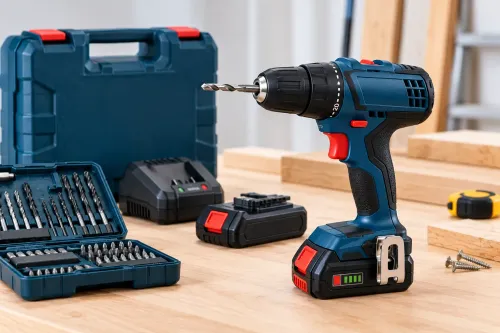
The project engineer or responsible technical team should identify the design requirements before procurement. Installation teams should then follow the specified hole diameter, embedment depth, tightening requirements, curing requirements where applicable, and other manufacturer instructions.
Substituting an anchor based only on physical appearance can introduce unnecessary uncertainty.
Pay Attention to Concrete Condition
An anchor depends on the substrate surrounding it.
Old, cracked, deteriorated, honeycombed, or repaired concrete may require additional assessment before anchoring. In rehabilitation projects, concrete quality can vary significantly across a structure.
Existing reinforcement is another consideration. Drilling should be planned to avoid unintended damage to reinforcement and concealed building services.
Environmental Conditions Matter
Anchors used indoors may face very different exposure conditions from those installed on roofs, external structures, industrial areas, wet zones, or infrastructure projects.
Moisture, chemicals, temperature, corrosion exposure, and other environmental factors can influence material selection.
For outdoor projects in Maharashtra, climatic exposure should be considered alongside structural requirements rather than treating corrosion resistance as an afterthought.
Installation Quality Can Determine Performance
Good anchor selection can still be undermined by poor installation.
Incorrect drilling, insufficient hole cleaning, inadequate embedment, improper tightening, or loading before a chemical anchor has cured can affect the completed connection.
For repetitive anchor installation, a documented method statement can improve consistency across the project.
Civitech Services Pvt Ltd supports construction and rehabilitation requirements in Nagpur involving anchoring systems and related civil engineering applications. Contractors, structural consultants, industrial facility teams, and developers can benefit from determining the fixing requirement first and then matching the anchor to the actual substrate and design conditions.
An anchor may be physically small compared with the component it supports, but its role in transferring load makes correct selection and installation an important part of construction quality.